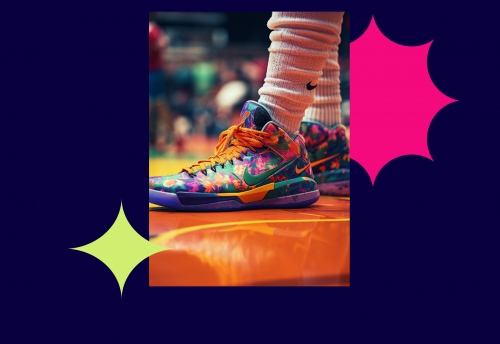


For Gen Z, subcultures take center stage and the niche trumps the norm.

The New Rituals of AI Across Generations
From reminder apps to homework assistants, personal shoppers to subscription managers, AI has become background infrastructure. It has seeped into kitchens, classrooms, wallets, and doctors’ offices. For younger users, it’s invisible—a silent partner that reminds them to drink water, breaks down textbook chapters, and serves as a creative companion. For older adults, it’s arriving more gradually, adopted with more deliberation and caution.
We set out to understand this tension: why AI feels essential to some while others approach it more slowly, and what drives the gap. This report traces how AI has become a daily habit for one generation while remaining a considered choice for another. It examines shifting routines, competing sources of trust, and the new rituals that will define human-AI interaction.
For Gen Z and Millennials, AI isn’t an experiment—it’s a rhythm of daily life, woven into everything from studying to meal prep. Millennials and Gen Z are leading the adoption rate, saying they use AI daily or more, embedding chatbots, planners and assistants into ordinary life—whether to plan a schedule, generate a study outline, or get a quick answer.
For Boomers and older, the story is different: nearly half say they never touch it at all. The numbers underscore a generational split in how routines are built—and whether AI is part of them. This adoption curve shows that AI is no longer a future trend; it’s a generational dividing line in how people structure their day.
Download the PDF below to access the full report