

The expanded 2026 FIFA World Cup delivered record-breaking viewership, unprecedented visibility, and a new blueprint for sports and cultural marketing.
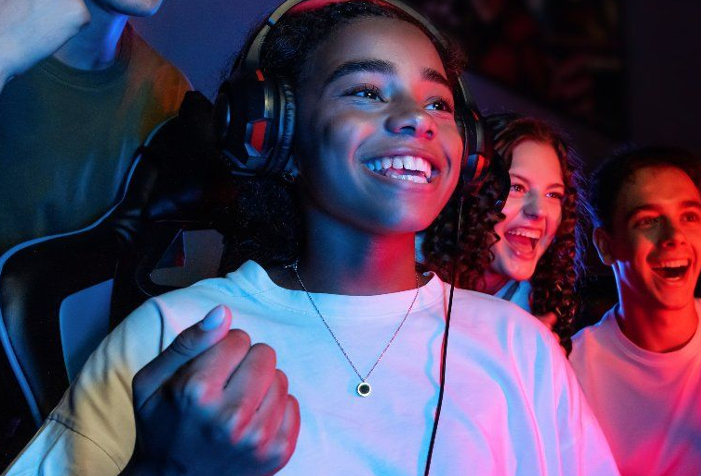
LEVEL UP: Multicultural Audiences & The Power of Gaming
Gaming isn’t a niche. It’s where culture, community, and undivided attention unite.
Today, nearly 3.4 billion people play games globally, and gaming spans every generation, identity, and lifestyle. It’s where communities gather, culture is created, and attention is fully earned rather than interrupted. Yet despite roughly 60% of Americans playing digital games, gaming accounts for less than 5% of media investment, revealing a significant gap between consumer behavior and marketer priorities.
The biggest opportunity lies within multicultural audiences. Black and Hispanic gamers are among the most engaged communities in gaming today, shaping trends, driving conversation, and influencing the evolution of platforms and creators. For many, gaming isn’t separate from everyday life, it’s an extension of identity, community, and culture.
As attention becomes increasingly fragmented across media channels, gaming offers something rare: active participation. Whether through mobile experiences, multiplayer communities, livestreams, or creator ecosystems, gaming has become a destination where audiences choose to spend their time and where brands have an opportunity to show up more authentically.
What You’ll Learn:
- Multicultural Gamers Are Culture Drivers: Black and LGBTQ+ audiences don’t just participate, they’ve been shaping trends, moments, and overall the evolution of gaming partners and platforms.
- Mobile Is the New Front Door: Gaming extends far beyond consoles, living within everyday mobile behaviors across generations. Brands have an opportunity to meet audiences with seamless, mobile-first experiences built for real-time, on-the-go engagement.
- Culture-First Partnerships Win: Authenticity isn’t only about placement, it’s also about who delivers the message. It’s important to partner with trusted Multicultural-owned platforms to build credulity, not just impression.
Gaming isn’t an emerging opportunity. It’s already where culture, community, and undivided attention converge. The question isn’t whether brands should be paying attention, it’s whether they’re ready to catch up.
Download the full report below.